
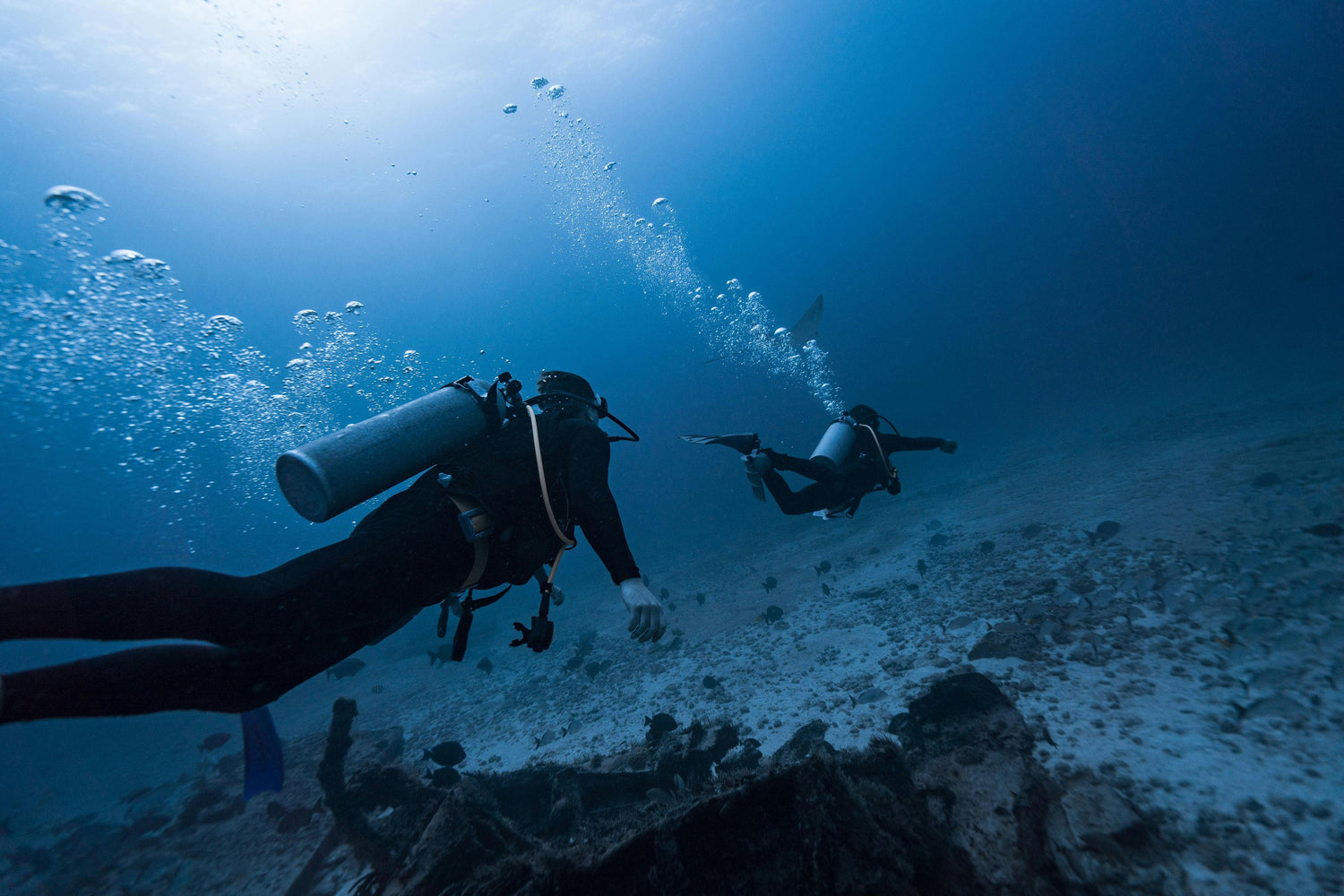
Scuba diving isn’t just about drifting over colorful coral reefs or encountering fascinating marine life. Behind every relaxed and confident diver is a solid foundation of skills that ensure safety, efficiency, and enjoyment underwater.
Most of these skills are introduced during your Open Water course—but mastering them takes continuous practice. The more confident you become, the more comfortable and controlled your dives will feel.
Here are 15 essential skills every scuba diver should master.
1. Mask Clearing
Being able to clear water from your mask is one of the most fundamental scuba skills. If your mask floods or the strap breaks underwater, staying calm is crucial. Many beginner divers panic and rush to the surface, which can be dangerous. Learning to remain relaxed and clear your mask underwater builds confidence and keeps you safe.
2. Checking Gauges Independently
During training, instructors often remind you to check your air. Once certified, that responsibility is entirely yours. Regularly monitoring your air supply—and communicating it to your buddy—is one of the most important habits a diver can develop.
3. Equalization
Some divers equalize effortlessly, while others need more practice. The key is to equalize early and often—before discomfort starts. Never push through ear pain. If equalization becomes difficult, stop descending, ascend slightly, and try again. Protecting your ears helps prevent barotrauma and serious injury.
4. Neutral Buoyancy
Excellent buoyancy control is what truly separates beginner divers from experienced ones. Good buoyancy helps you conserve air, move effortlessly, protect marine life, and maintain clear visibility by avoiding disturbed sand.
5. Safe Water Entry
Entering the water safely requires more than just stepping off a boat. Whether performing a giant stride or a backward roll, you must choose the correct method for the situation. Always secure your mask and regulator, add air to your BCD, and complete buddy checks before entry.
6. Hand Signals
Underwater communication relies entirely on hand signals. Every diver should confidently communicate air levels, comfort status, dive-ending signals, and emergency situations. Bonus points for knowing marine life signals, it makes dives more fun and engaging.
7. Air Sharing
Out-of-air emergencies are rare—but preparation is essential. You should be fully confident signaling for air, using your buddy’s alternate regulator, clearing it, and making a calm, controlled ascent together.
8. Controlled Ascents & Safety Stops
Ascending slowly and performing a safety stop allows excess nitrogen to safely off-gas from your body. Skipping safety stops or ascending too fast increases the risk of decompression sickness and should always be avoided.
9. Understanding No-Decompression Limits (NDLs)
NDLs indicate how long you can safely stay at a certain depth without mandatory decompression stops. While dive computers make tracking easy, understanding the concept behind NDLs helps you make safer decisions underwater.
10. Pre-Dive Buddy Checks
No matter how experienced you are, pre-dive checks should never be skipped. Confirm BCD function, secure weights, test regulators, verify air supply, and ensure all gear is properly fastened and streamlined.
11. Proper Finning & Body Position
Efficient finning saves energy and air. Maintain a horizontal body position, keep movements smooth, and avoid excessive knee bending. As you gain experience, techniques like frog kicks, scissor kicks, and reverse finning will further improve control.
12. Respecting Marine Life
Respecting the ocean is a core principle of scuba diving. Never touch, chase, or harass marine animals. Avoid contact with coral, don’t stir up sand, and leave nothing behind except bubbles.
13. Navigation
Basic navigation skills—using a compass or natural visual references—help prevent disorientation and increase dive independence. This is especially useful for shore dives and advanced dive planning.
14. Proper Equipment Care
Rinsing and drying your gear after every dive significantly extends its lifespan. Saltwater can damage zippers, regulators, and materials over time. Store equipment clean, dry, and out of direct sunlight.
15. Being a Good Dive Buddy
A great diver is also a great buddy. Stay close, check in regularly, provide reassurance when needed, and always prioritize mutual safety. Diving is a shared experience—trust and teamwork make every dive better.
Final Thoughts
Mastering these skills doesn’t happen overnight. But with practice, patience, and the right mindset, they become second nature—allowing you to focus on what truly matters: exploring the underwater world safely and confidently.


Leave a comment
This site is protected by hCaptcha and the hCaptcha Privacy Policy and Terms of Service apply.